See how HUIXIN 3PL receives, inspects, sorts, repacks and fulfills USB chargers and power adapters from China, including plug-type checks, labeling, inventory and global shipping.
Charger Fulfillment from China: Inspection, Sorting and Order Fulfillment
For sellers sourcing chargers and power adapters from China, the work doesn’t end when the factory finishes production. Products still need to be received, counted, separated by model and plug type, checked against spec, packed correctly, stored, and shipped to the right customer or channel.
HUIXIN 3PL handles that layer. Chargers ship directly from Chinese suppliers to our warehouse, where we take care of receiving, sorting, inspection, labeling, repacking, inventory management, order picking and international shipping — turning a factory shipment into organized, checked, ready-to-ship inventory instead of just cartons sitting in storage.
Why Charger Fulfillment Is More Complicated Than It Looks
Chargers look simple, but a single product line can hide a lot of variation. The same charger might come in 20W, 30W, 65W or higher-output versions; one model runs USB-A while another runs USB-C; multi-port units mix several interface combinations. On top of that, products bound for the US, Europe, the UK and Australia need different plug versions.
That creates real risk once goods leave the factory. A US plug can end up mixed into a batch meant for Europe. Two chargers with near-identical housings can carry different output specs. A barcode can be attached to the wrong model. Packaging can carry the wrong market version, or a charger and cable can get bundled incorrectly.
"500 chargers" isn’t a useful inventory description. The warehouse needs to know exactly how many units belong to each model, wattage, port configuration, plug type and SKU before any customer order ships — that’s the gap a China 3PL exists to close.
Receiving from Chinese Suppliers
Chargers don’t go straight into storage on arrival. The shipment is registered by supplier or inbound batch, carton quantity is checked against the packing information from the client or factory, and any obvious damage to the outer cartons gets flagged before the goods move further into the process.
This matters most for sellers sourcing from several Chinese factories. Instead of each supplier shipping separately to customers or overseas warehouses, everything can go to one HUIXIN warehouse first, where it’s checked, consolidated and organized under one fulfillment process. A packing list tells you what the factory says it shipped — receiving is what establishes what actually arrived.
More on how storage is structured: flexible warehouse storage for Shenzhen ecommerce inventory.
Sorting by Model, Plug Type and SKU
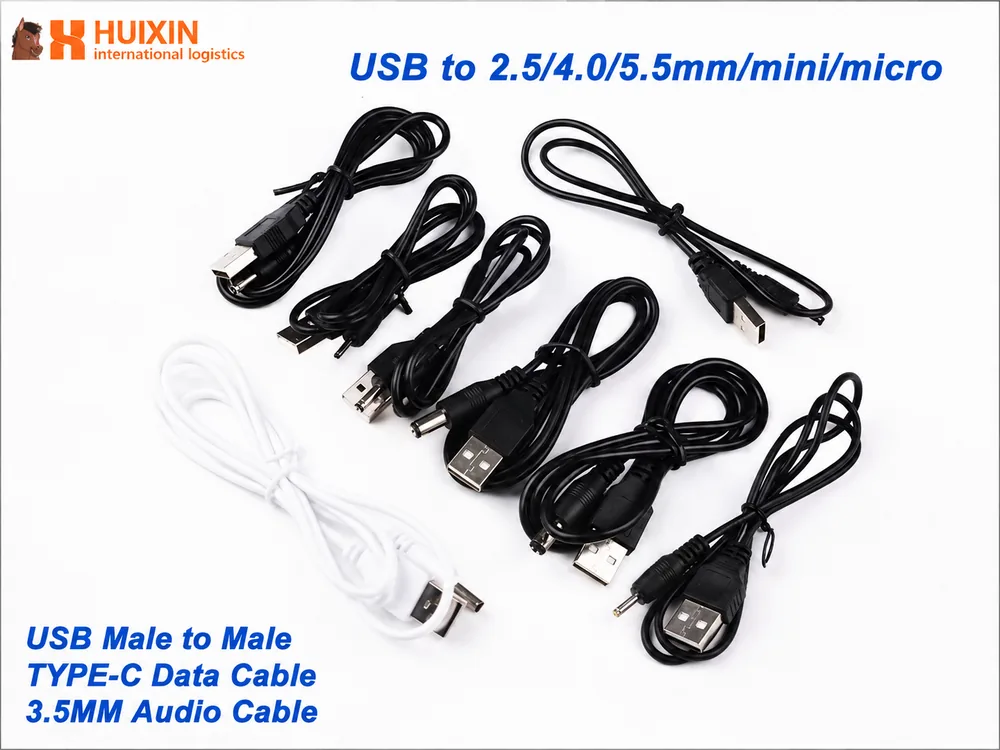 USB charger inspection and plug type sorting
Once received, chargers get separated by the attributes that actually matter for fulfillment: model number, wattage, USB-A or USB-C configuration, number of ports, plug type (US/EU/UK/AU), color, SKU or barcode, and sales-market version.
600 units shouldn’t just get logged as "USB chargers" — the warehouse needs to distinguish a 65W USB-C charger with an EU plug from the same charger with a US plug, or a 20W USB-C unit with a UK plug from a 30W dual-port unit with an AU plug. These products can look nearly identical sitting next to each other, but they can’t be treated as the same inventory. Sorting before storage is what keeps the correct charger from going out with the wrong plug, wattage or market version.
Inspecting Chargers Before Shipping
Inspection scope varies by client — some only need receiving and visual checks, others want every unit checked against a defined SOP before it’s approved for fulfillment. That scope should always be agreed before work starts.
Appearance and specification check. This usually covers whether the housing is visibly damaged, whether plug pins are bent, whether USB ports look abnormal, and whether model and power markings match what’s expected. It also covers whether the charger is paired with the correct packaging, accessories, cable, instruction sheet and barcode — catching cheap mistakes before they become customer complaints.
Basic function testing. Where agreed, this can include confirming the unit powers on, that the relevant ports work, and that it performs the basic charging function expected of that SKU — checking different ports individually on multi-port units where that’s part of the scope.
Warehouse-level functional checking is not the same as lab electrical-safety testing or formal certification — where that’s required, it needs to go through a qualified testing or certification body. The warehouse’s job is to follow the client’s agreed standard and stop visibly incorrect or non-conforming stock from sliding into sellable inventory by default.
More on how QC scope is defined in practice: order fulfillment and QC inspection services in Shenzhen.
Checking Labels, Market Versions and Certification Info
The product itself is only half the check — what’s printed on it and its packaging matters just as much. Chargers get checked against the client’s approved specs: model number, input/output info, plug version, SKU label, barcode and any other required markings. If the seller supplies certification labeling requirements or approved packaging references, the warehouse checks the physical goods against those too.
This is where a warehouse might catch an EU-plug product packed in a US-version box, a barcode tied to the wrong wattage, or a label that doesn’t match the approved reference. To be clear: HUIXIN isn’t a certification lab. The check is whether what arrived from the supplier matches what the client approved — and if it doesn’t, it’s treated as an exception, not quietly folded into normal stock.
Handling Incorrect or Abnormal Chargers
Not everything received should automatically become sellable stock. Common exceptions: wrong plug type, wrong model or wattage, visible damage, functional failure, missing or incorrect barcode, wrong packaging, a missing accessory or cable, or a quantity mismatch.
When something like this turns up, it gets separated from approved inventory and recorded for the client, who then decides what happens next — relabel, repack, retest, return to supplier, hold, or move to secondary inventory. The point is that abnormal goods stay visible. Inventory control breaks down the moment a warehouse quietly mixes questionable units into normal stock or changes quantities without explaining why.
Repacking, Labeling and Kitting
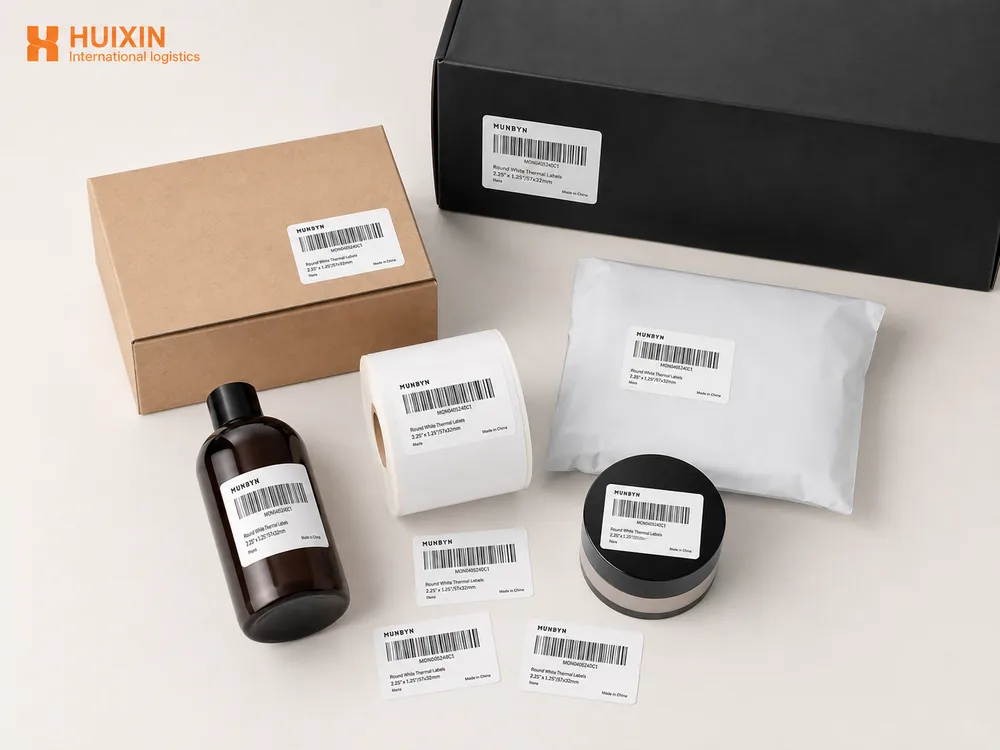 Power adapter repacking and barcode labeling
Once approved, chargers get prepared for the actual sales channel — replacing damaged packaging, adding SKU or barcode labels, inserting instruction sheets or branded cards, or building out a specific retail presentation.
Basic kitting is also part of this. A seller might source chargers and cables from different suppliers; both arrive at the same warehouse, get checked, and are packed together as one finished sales unit — charger plus USB cable, charger plus travel adapter, charger plus accessory, or product plus instruction sheet plus branded insert. This means the factory doesn’t need to manage every final packaging combination itself; it manufactures, and the warehouse handles the configuration needed for actual sales.
Inventory and Order Fulfillment
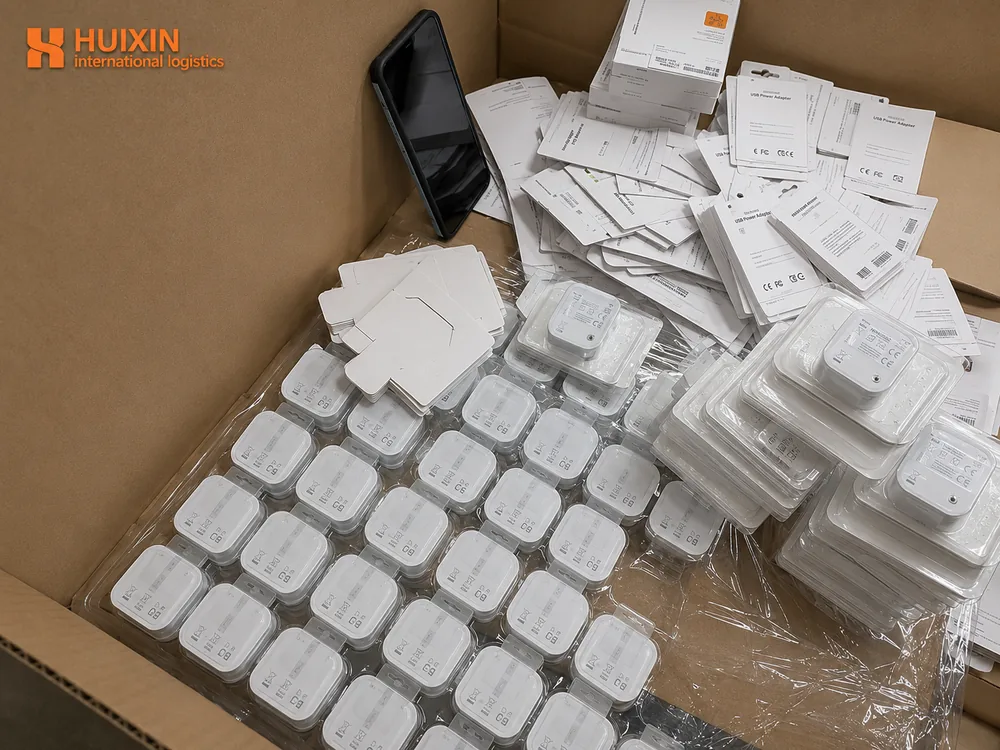 Charger inventory storage and global shipping
Once sorted, inspected and packed, chargers move into organized inventory managed by the attributes that matter for fulfillment — SKU, model, wattage, plug type, port configuration. When an order comes in, the warehouse picks the right SKU, verifies the product, packs it, applies the shipping label, and dispatches through the chosen carrier:
Supplier → HUIXIN Warehouse → Receiving → Inspection → SKU Sorting → Storage → Order Picking → Packing → Shipping
That flow supports different sales models at once — a Shopify or independent-store seller shipping individual parcels direct to customers, an Amazon seller needing batches sent to overseas fulfillment centers, a distributor placing bulk carton orders, or a growing brand doing DTC fulfillment and bulk replenishment simultaneously. Keeping inventory in China gives the seller room to decide where stock goes once actual demand is clear, rather than committing everything to one destination upfront.
Full process breakdown: China order fulfillment process.
Why Sellers Use a China 3PL Instead of Their Own Warehouse
For most cross-border sellers, running a warehouse in China doesn’t create a competitive advantage — it creates another business to manage: space, local staff, receiving procedures, inventory controls, packing materials, order processing, carrier coordination, daily supervision. That might make sense at very large scale; for smaller and growing businesses it’s usually just an unnecessary fixed cost.
HUIXIN 3PL changes the split. The seller stays focused on products, sourcing, pricing, advertising, customers and cash flow; HUIXIN handles receiving, inspection, sorting, repacking, inventory, picking, packing and shipping. This is most useful when a seller buys from several Chinese suppliers, manages several charger versions, sells into multiple markets, or just doesn’t want to build a warehouse team to manage physical fulfillment.
What to Check When Choosing a Charger Fulfillment Partner
A charger fulfillment provider should be able to explain how it keeps similar-looking SKUs from getting mixed and how it handles products that don’t match requirements.
| Question |
What a Reliable 3PL Should Be Able to Do |
| Can it manage different plug versions? |
Separate US, EU, UK, AU and other versions by SKU |
| Can it distinguish similar charger models? |
Record model, wattage, ports and other required attributes |
| Can it perform basic inspection? |
Follow a client-approved SOP and agreed inspection scope |
| Can it handle abnormal products? |
Separate, record and report before they enter sellable inventory |
| Can it verify labels and packaging? |
Match physical products against client-provided SKU and packaging requirements |
| Can it repack and relabel products? |
Prepare stock for the client’s actual sales channel |
| Can it combine products from different suppliers? |
Receive, consolidate and kit goods in one warehouse |
| Can it fulfill individual orders? |
Pick, pack, ship and record tracking information |
| Can it support bulk shipments? |
Send consolidated stock to distributors or overseas warehouses |
A warehouse doesn’t need to promise nothing will ever go wrong — it needs a process that makes problems visible before the wrong product reaches the customer.
HUIXIN 3PL Charger Fulfillment Services
HUIXIN 3PL supports international sellers sourcing chargers, power adapters, cables and related accessories from Chinese suppliers. Depending on requirements, this can include receiving from one or multiple suppliers, carton and quantity checks, sorting by model, plug type, wattage and SKU, visual and basic functional inspection, checking labels and packaging against client instructions, separating and reporting abnormal products, repacking, barcode and SKU labeling, charger-and-cable kitting, inventory storage, pick and pack, direct-to-customer shipping, bulk shipping to overseas warehouses or distributors, and return receiving and inspection.
The workflow adjusts by product, order volume, inspection requirements, target market and sales channel rather than forcing every seller through the same process.
The Real Challenge
Buying chargers from China isn’t the hard part. Making sure the correct model, wattage, plug type, packaging and SKU reach the correct customer is — and that takes receiving, sorting, inspection, exception handling, labeling, inventory control, order picking and shipping working as one connected process, not just cartons moving from supplier to carrier.
If you’re sourcing chargers, power adapters or related accessories from China, send HUIXIN 3PL your SKU count, monthly order volume, target markets and current sourcing setup. We’ll help you work out whether China direct fulfillment, bulk shipment to an overseas warehouse, or a hybrid model fits your business best.
Learn more at HUIXIN 3PL.