HUIXIN | Warehouse Operations in China
QC, Kitting & Packaging
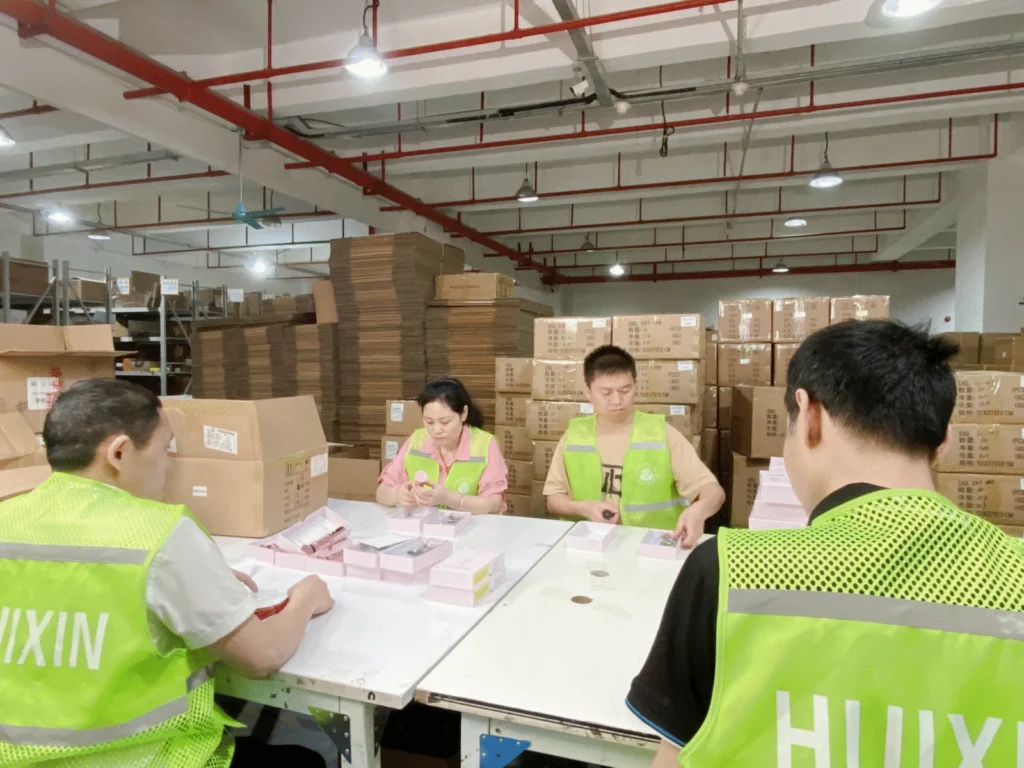
HUIXIN checks, labels, assembles and repacks goods to your written instructions. Define the inspection and preparation work before delivery so our warehouse team can separate acceptable stock, report exceptions and prepare the approved output.
Agree the Checks and the Finished Output
For brands combining products and packaging, importers checking purchased goods and sellers preparing sets for different channels. You can request individual operations or a sequence of checks and preparation.
Inspect Against an Agreed Standard
Agreed Inspection
Specify sample or full inspection, the characteristics to check and the acceptance criteria. The work may cover agreed visible or measurable features. Warehouse checks, a third-party inspection and certification testing are separate scopes.
Exception Feedback
Agree what evidence is needed, such as counts and photographs of the identified issue. Affected stock can be separated pending your instruction to rework, return, retain or release it; extra work requires approval.
Match Components and Assemble Kits
Component Checks
Provide a bill of materials identifying each item, variant and quantity in the finished set. We compare available components with that list and flag missing or mismatched items before the affected assembly proceeds.
Kitting
Define the contents, arrangement and packaging for each finished kit. Where required, agree a reference sample or photographs before the batch is assembled. Finished sets and unused components are recorded in the agreed units.
Apply Labels and Packaging Instructions
Labeling
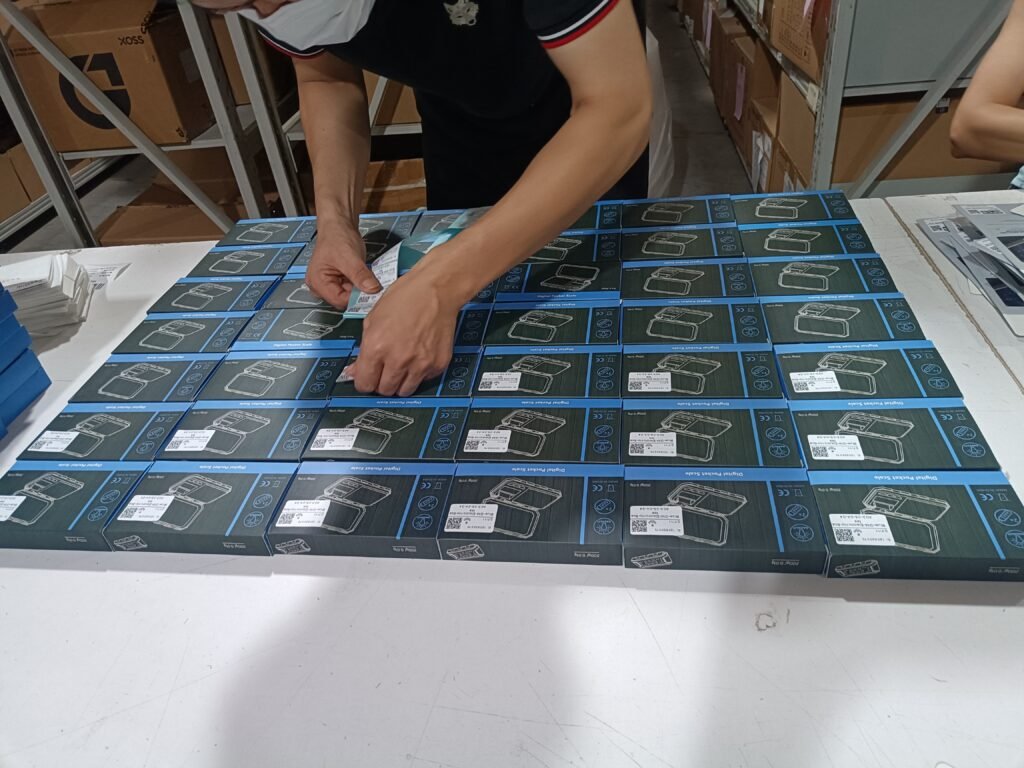
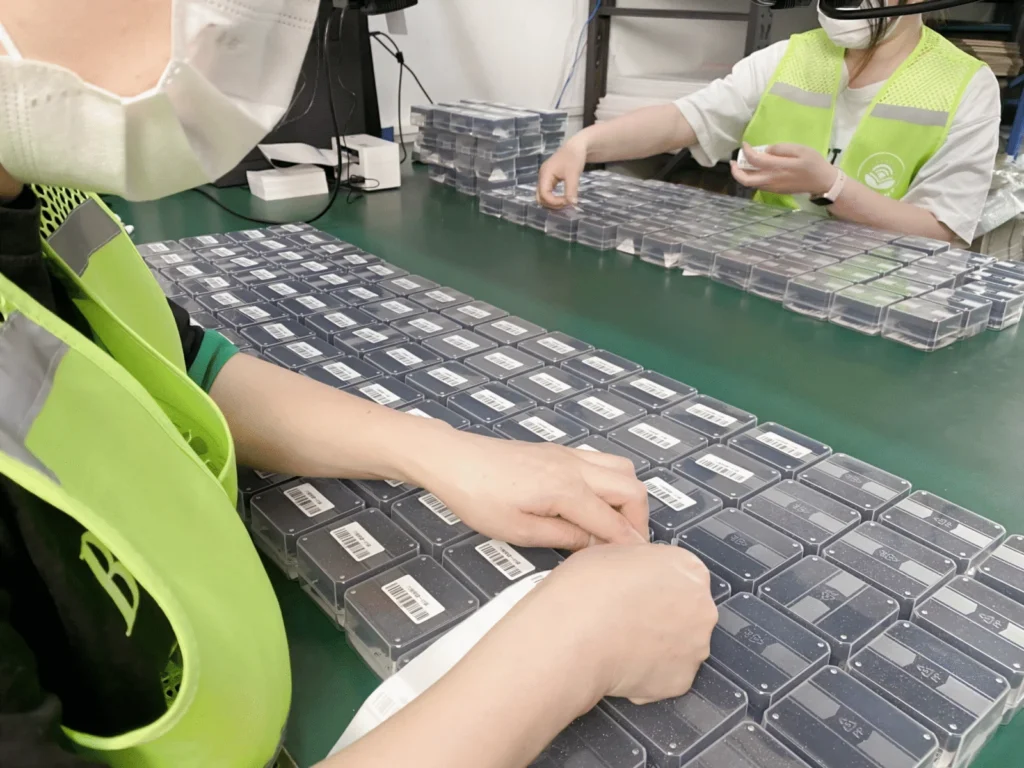
Supply approved artwork or print-ready labels, SKU mapping and placement instructions. Confirm which existing labels must stay visible or be covered. Label content and destination requirements come from your approved instructions.
Repacking
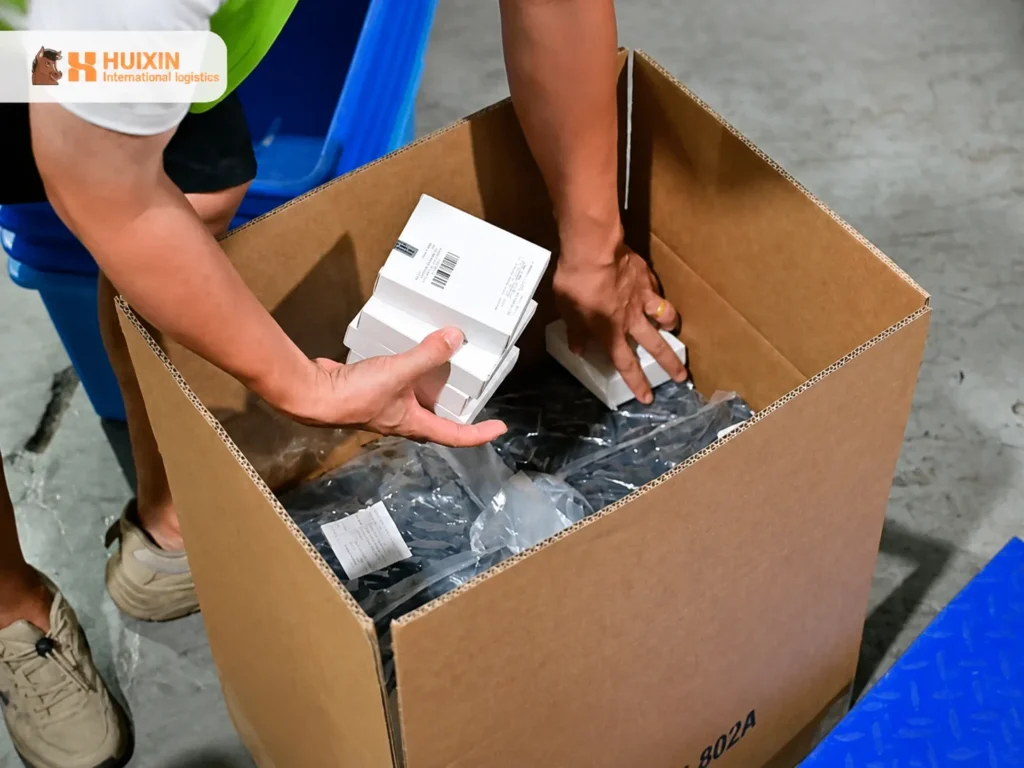
Confirm which goods need new cartons, protective material or retail packaging, and provide the pack specification. Already suitable packages can remain unchanged. Material choice, extra handling and waste disposal are agreed before work.
From Work Instructions to Prepared Stock
Define and approve the work
Confirm check points, kit contents, packaging and how an acceptable result will be identified.
Receive and reconcile materials
Match product, components and packaging to the work order; flag shortages that prevent completion.
Check and prepare the batch
Perform the agreed operations. Hold affected items when the exception process requires your decision.
Report and release the output
Provide agreed counts and feedback, identify remaining components and hand finished goods to storage or dispatch.
Your Preparation Brief
- Product specifications and acceptance or defect criteria.
- Sampling or full-check scope, reference samples and requested photos.
- Bill of materials, SKU/variant mapping and kit quantities.
- Approved label files, placement guides and packaging specifications.
- An authorized decision maker and instructions for rejected or surplus items.
Products and Packaging Ready for the Next Operation
A brand sends products from one supplier and pouches and inserts from two others. Each kit needs the correct color, an insert and a SKU label. Missing inserts are reported before the incomplete kits are treated as finished stock.
The Handover Result
You receive prepared units identified against the work order, with agreed output counts and exception records. Finished goods can enter FBA preparation, B2B allocation or order fulfillment.
Questions About Product Preparation
Can I request inspection without repacking?
Yes. Choose the checks you need and confirm how opened goods should be closed afterward. Kitting and new packaging are optional operations.
Do warehouse checks replace certification testing?
No. Warehouse checks follow the scope agreed for the product. Laboratory testing, regulatory certification or an independent inspection must be separately arranged with the appropriate provider.
Who decides what happens to defective items?
You or your authorized contact approves the action. Agree how affected goods will be identified, held and reported before the work starts.
Can different kit variants use the same components?
Yes, when the bill of materials distinguishes each finished SKU and its quantities. Confirm how shared components and leftover materials will be allocated and recorded.
Tell Us About Your Goods
Share your products, quantities or volume, supplier locations, required operations and destinations. Choose one or more services, or tell us where you need help deciding.