What Is Small Parcel Shipping from China?
Small parcel shipping from China refers to sending goods in package-sized shipments (typically under 30kg per parcel) through courier, postal, or dedicated line networks. It’s one of the most practical options for cross-border eCommerce sellers, sample buyers, and businesses that need flexible replenishment without committing to bulk sea freight.
Unlike container shipping, small parcels move through parcel hubs and airline linehaul networks, then enter the destination country’s last-mile system for delivery. If your priority is faster turnaround, simpler operations, and manageable landed costs, small parcel shipping is often the right starting point.
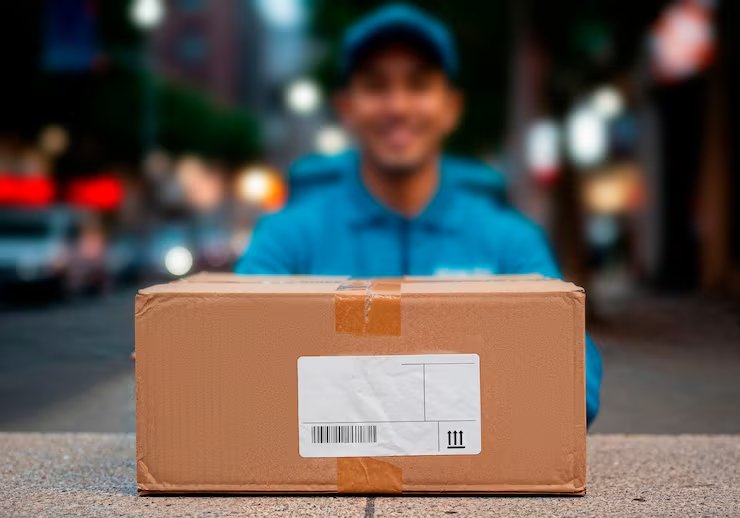
What qualifies as a “small parcel” in international shipping?
In most buyer scenarios, a “small parcel” is a single package that can be handled by parcel carriers (not palletized freight). It’s commonly used for:
- 0.5–30kg shipments per box (exact limits vary by carrier and route)
- Direct-to-customer deliveries (DTC)
- Samples, trial orders, and small-batch restocks
Who should use small parcel shipping?
- Amazon sellers sending prep-ready cartons or small replenishment batches
- Shopify / TikTok / DTC brands shipping orders directly to end customers
- Procurement teams validating suppliers with trial orders
- Businesses that need consistent delivery without container-level volume
Internal link + conversion point: If you’re new to China-based fulfillment and want a simple workflow (receive → QC → label → ship), start here: How Huixin Works.
How Small Parcel Shipping from China Works (Buyer Overview)
For most buyers, the process is straightforward when you follow a predictable checklist: confirm product compliance, choose the right shipping mode, prepare documents, and monitor tracking through customs and last-mile delivery. The biggest mistakes usually happen when buyers skip the basics—especially HS code classification, packaging dimensions, and incoterms responsibilities.
Step 1: Confirm product details and import feasibility
Before you book shipping, confirm:
- Accurate product name and material (avoid vague descriptions)
- Whether your item is restricted (battery, liquid, magnet, branded goods, etc.)
- Unit value and total declared value expectations
- Destination delivery address and postal code (critical for accurate quotes)
Step 2: Request quotes and choose the right incoterm
To request a quote, you typically need: destination country + ZIP/postcode, package count, each carton’s weight and dimensions, product category, and any special handling requirements.
Incoterms (like EXW, FOB, DAP, DDP) define who pays which part of the shipping journey—especially duties and taxes. If you want cost predictability, DAP/DDP are often easier to manage than mixed responsibility structures.
Step 3: Book shipment via supplier or a shipping partner
You can ship in two common ways:
- Supplier direct shipping: simple but often limited options, weaker tracking visibility, and less control over packaging.
- Freight forwarder / China-based 3PL: better rates, packaging optimization, consolidation, and structured after-sales support.
Internal link + conversion point: If you need labeling, re-pack, bundling, carton optimization, or multiple supplier consolidation, use a China fulfillment partner: Warehousing & Storage.
Step 4: Export handling, transit, customs, and final delivery
After pickup/receiving in China, the shipment typically flows through export processing, international linehaul, import customs, and last-mile delivery. The smoother your documents and declarations are, the fewer delays you’ll face.
Main Small Parcel Shipping Methods from China
Choosing the right method is a balance between speed, cost, tracking quality, and customs stability. Below are the three most common methods buyers should compare.
Express couriers (DHL, FedEx, UPS)
Best for: urgent orders, higher-value goods, time-sensitive restocks.
- Typical transit time: 2–7 days (route dependent)
- Tracking: strong and consistent
- Tradeoff: usually the highest cost, plus possible remote area surcharges
Postal small parcel shipping (China Post, ePacket, destination post partners)
Best for: low-value items where delivery speed is not critical.
- Typical transit time: 10–30+ days
- Tracking: often basic or delayed
- Tradeoff: lower cost but higher variability in speed and scanning
Special line small parcel shipping (dedicated lines)
Best for: eCommerce sellers who want a strong balance of cost and delivery performance.
- Often uses consolidated air linehaul plus destination-country local delivery
- Better cost control than express while remaining faster than standard post
- Great for steady order volume and scalable operations
Conversion point: If you’re unsure which method fits your SKU and destination, work with a partner that can compare multiple channels and recommend the best landed-cost option. Start with Cross-border Small Parcel Shipping.
How Much Does Small Parcel Shipping from China Cost?
There’s no universal price list for small parcel shipping—cost is calculated based on chargeable weight, destination, and the route’s carrier network. The key to getting predictable pricing is understanding how carriers calculate weight and what’s included in your quote.
How shipping cost is calculated: actual weight vs volumetric weight
Carriers charge by the greater of:
- Actual weight (scale weight)
- Volumetric weight (dimensional weight based on carton size)
That’s why two cartons with the same product can have totally different shipping costs if one carton is larger due to inefficient packing.
Typical cost ranges by method (what buyers should expect)
- Express: highest cost, best speed and tracking
- Postal: lowest cost, slowest and more variable
- Special line: mid-range, best overall value for many eCommerce sellers
Instead of chasing the cheapest line item, evaluate the total delivered cost and customer experience—especially if you sell on platforms with delivery-time expectations.
Landed cost: the real number you should optimize
Landed cost includes product cost + shipping + destination fees + duties/taxes (if applicable). Many buyers under-budget by only looking at the shipping quote, then get surprised by duties or VAT at delivery.
Internal link + conversion point: If you need tighter control on receiving, SKU-level inventory, and shipping cost efficiency at scale, review: Inventory Management.
Customs, Duties & Taxes for Small Parcel Shipping
Customs is where small parcel shipments most often get delayed. The good news: most issues are preventable with correct classification, honest documentation, and a shipping channel that matches your product category.
HS code and correct product classification
Every product should be declared under an appropriate HS code. The HS code helps customs agencies determine:
- Whether the item is restricted or needs a license
- Applicable duties and taxes
- Inspection likelihood based on product type
Understanding duties and VAT (and who pays)
Depending on the destination, your shipment may incur import duties, VAT, or handling fees. Your incoterm matters:
- DAP: buyer typically pays duties/taxes upon import
- DDP: seller/shipper typically arranges duty/tax payment as part of delivery (terms must be clear)
Common customs problems and how to avoid them
- Vague descriptions: “gift” or “parts” triggers scrutiny
- Mis-declaration: inconsistent values vs invoice
- Restricted items: batteries, liquids, magnets, branded goods without authorization
Required Documents for Small Parcel Shipping
Even though small parcels feel “simple,” documentation still matters. A clean set of documents reduces customs delays and improves delivery success.
Essential documents
- Commercial Invoice (item name, quantity, unit value, total value, buyer/seller info)
- Packing List (carton count, net/gross weight, dimensions)
- Waybill / Shipping Label (generated by courier or line operator)
When you may need additional documents
- Certificate of Origin (for some product categories or trade program requirements)
- Import license (regulated goods)
- Compliance documents (depending on market and product)
Transit Time: How Long Does Small Parcel Shipping from China Take?
Transit times vary by method, destination, and season. The most important thing is to match your delivery promise (or replenishment schedule) to a realistic shipping option.
Average transit time by shipping method
- Express couriers: 2–7 days
- Special lines: usually faster than post, slower than express (route dependent)
- Postal services: 10–30+ days
What causes delays?
- Customs inspection
- Peak season congestion and airline capacity
- Incomplete or incorrect documentation
- Last-mile exceptions (address issues, remote areas)
Tracking & Delivery Visibility: What Buyers Should Expect
Tracking quality affects both customer satisfaction and dispute risk. A reliable shipping setup should provide scan events from pickup through final delivery.
What a healthy tracking timeline looks like
- Pickup / acceptance scan
- Export processing
- International departure / arrival
- Customs clearance
- Out for delivery / delivered
Handling exceptions
Lost parcels, damage, returns, and delivery failures happen. The difference is whether your shipping partner has a clear escalation path and after-sales support.
Insurance for Small Parcels: What It Covers (and What It Doesn’t)
Carrier liability is often limited. Insurance is most useful when you ship higher-value items, fragile products, or SKUs with high dispute cost.
When you should consider insurance
- High value per parcel
- Fragile items
- Long or multi-leg routes
- Peak-season shipping
How to Reduce Small Parcel Shipping Costs from China
Cost control is mostly operational: pack better, consolidate intelligently, and choose a channel that matches your product and delivery promise.
Optimize packaging to reduce volumetric weight
- Use right-size cartons
- Avoid excessive void fill
- Bundle items efficiently
Consolidate multiple orders into one shipment
If you buy from multiple suppliers or run frequent replenishment orders, consolidation can lower the cost per unit and reduce handling complexity.
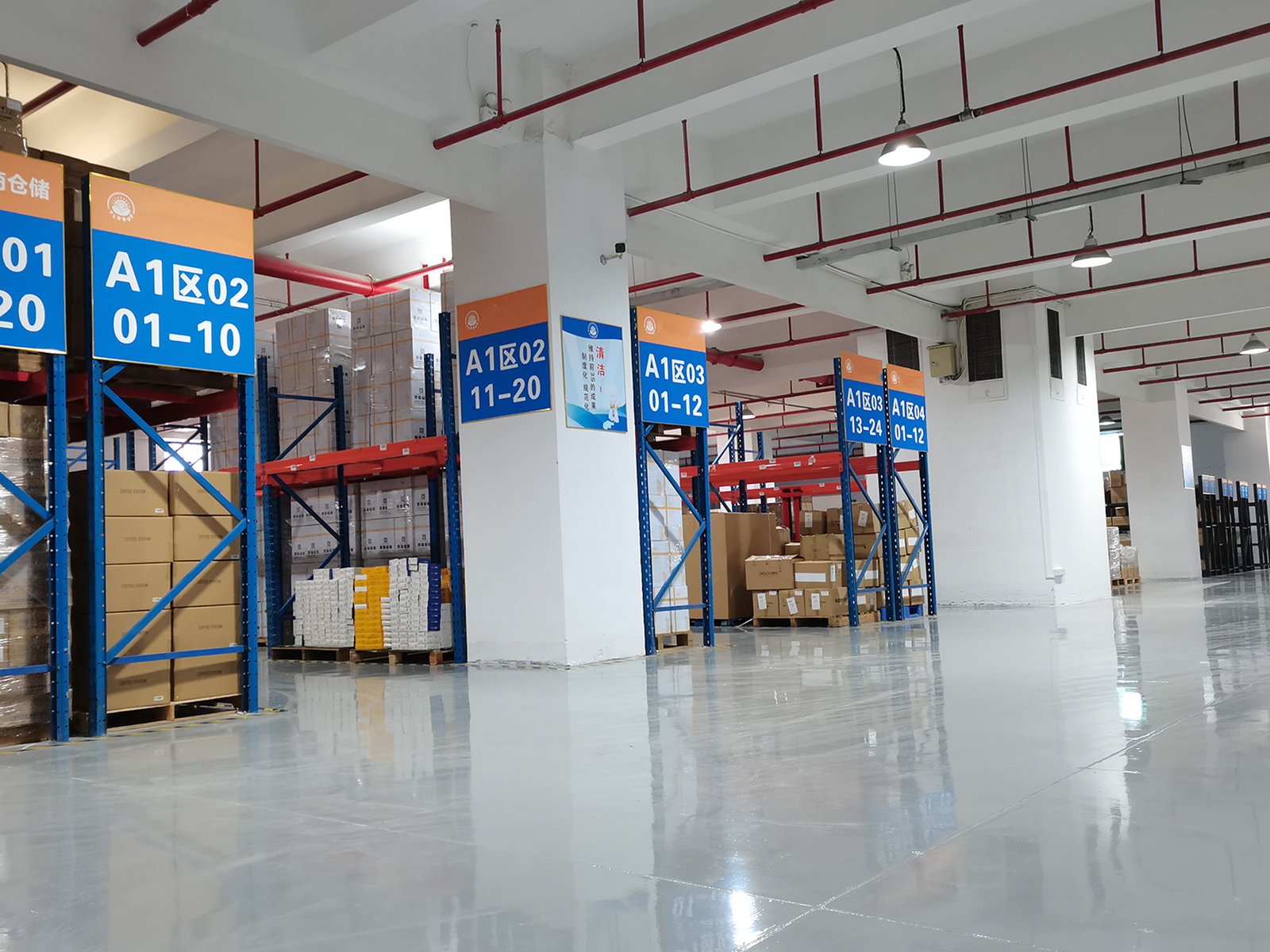
Use a China-based 3PL to access better rates and smoother operations
A 3PL can combine shipments, do labeling/repack/QC, and choose the best small parcel channels based on your destination and product constraints.
Internal link + conversion point: If you also need supplier coordination and product consolidation before shipping, see: Product Sourcing.
How to Choose a Reliable Small Parcel Shipping Partner in China
The right partner doesn’t just “ship boxes.” They protect your delivery performance, reduce customs risk, and keep your cost predictable as you scale.
What to look for in a shipping partner
- Multiple shipping channels (express, post, dedicated lines)
- Clear quote structure (what’s included and excluded)
- Strong tracking visibility
- Experience with your product type and destination
- After-sales support for exceptions
Common buyer mistakes
- Choosing based on price only
- Ignoring packaging and volumetric weight
- Not clarifying DAP vs DDP responsibility
- Not preparing documents early
Conversion point: If you want a one-stop partner for receiving, warehousing, labeling, and cross-border parcel shipping, start here: Amazon FBA Prep Services in China.
Best Use Cases for Small Parcel Shipping from China
Small parcel shipping is not only for “small orders.” It’s a strategic tool when used for the right scenarios.
Amazon FBA replenishment (small batch)
Small parcel shipping works well for replenishment or test runs—especially when you don’t want to wait for sea freight cycles.
Shopify & DTC shipping
Dedicated lines can offer a cost-effective way to ship directly to consumers while maintaining acceptable delivery performance and tracking.
Samples and trial orders
For supplier validation, small parcels help you test quality, packaging, and delivery experience before scaling up.
Final Thoughts: Is Small Parcel Shipping from China Right for You?
If you ship light-to-midweight goods, need predictable delivery, and want flexible replenishment, small parcel shipping from China is a practical solution. The best results come from aligning shipping method + packaging + customs readiness—then working with a partner that can maintain performance as you scale.
Primary conversion point: If you want a tailored recommendation for the best small parcel channel based on your SKU, carton size, and destination, visit HUIXIN China 3PL and share your shipment details for a fast quote and routing suggestion.
FAQ: Small Parcel Shipping from China
What information do I need to get an accurate shipping quote?
You’ll typically need destination country and ZIP/postcode, product category, whether the goods are restricted, carton count, each carton’s weight and dimensions, total declared value, and your preferred shipping speed.
What is the cheapest way to ship small parcels from China?
Postal services are often the lowest-cost option, but they come with longer and less predictable transit times. For many eCommerce sellers, dedicated lines provide a better balance of cost, speed, and tracking.
Why is my shipping cost higher than expected?
The most common reason is volumetric (dimensional) weight. If your carton is large relative to its actual weight, carriers may charge based on volume rather than scale weight. Packaging optimization can significantly reduce this cost.
Should I choose DDP or DAP for small parcel shipping?
DAP often means the buyer pays duties and taxes at import, while DDP typically includes duty/tax handling arranged by the shipper. The best choice depends on your preference for cost predictability and how you manage compliance in your destination country.
Is small parcel shipping good for Amazon FBA?
Yes—especially for trial shipments and replenishment. Many sellers use small parcels to maintain stock levels while using sea freight for bulk restock cycles.