What Is Small Parcel Shipping from China?
Small parcel shipping from China refers to sending individual packages (usually under 30 kg) via courier, postal networks, or dedicated “special line” channels to overseas buyers, eCommerce warehouses, or end customers. For procurement teams and cross-border sellers, it is often the most practical option for samples, trial orders, spare parts, and frequent replenishment—because it avoids container-level commitments while still offering predictable delivery and trackability when you choose the right method.
In this buyer guide, you’ll learn how small parcel shipping works, how costs are calculated (including dimensional weight), what documents and customs factors matter most, and how to choose a reliable partner such as HUIXIN (China 3PL) for stable execution and clearer landed-cost control.
What qualifies as a “small parcel” in international shipping
In most cross-border logistics operations, “small parcel” typically means a carton or mailer shipped as an individual package through parcel networks (not palletized air freight and not containerized sea freight). The most common weight range is 0.5–30 kg per package, though the exact limit depends on the channel and destination. The key point is that small parcel is priced by chargeable weight (actual or dimensional) and is processed through parcel hubs with door delivery.
Who should use small parcel shipping
Small parcel shipping is usually best for:
- Procurement buyers needing samples, pilot quantities, or spare parts fast.
- Cross-border eCommerce sellers shipping individual orders (DTC) or sending small replenishments to overseas warehouses.
- SMEs that want to control cash flow and avoid large MOQs for logistics.
How Small Parcel Shipping from China Works
Compared with container shipping, small parcel logistics is simpler—but buyers still face avoidable delays when packaging, documents, and customs compliance are not handled correctly. A structured workflow helps you compare quotes fairly and keep the total landed cost predictable.
Step 1: Confirm product details and import feasibility
Before requesting a quote, confirm:
- Product name, materials, and intended use (for accurate customs description).
- Any restrictions (battery, liquid, powder, magnet, branded goods, etc.).
- Target destination requirements (VAT rules, prohibited items, labeling rules).
Procurement tip: ask your supplier for product photos, specifications, and MSDS/UN38.3 (if relevant). This reduces channel rejection and customs risk.
Step 2: Request quotes and choose the right Incoterm
For small parcels, the most common buyer-facing terms are:
- EXW: supplier makes goods available; you (or your forwarder/3PL) controls pickup and export.
- DAP: delivered to your address; duties/taxes are typically paid by the importer.
- DDP: delivered with duties/taxes included (when properly arranged).
If you want higher cost control and reliable execution, it’s often best to let a professional partner manage pickup, consolidation, and export processes. If you need a process overview for internal alignment, see How Huixin Works (internal link).
[Conversion point] If you want a quote prepared in a procurement-friendly format (chargeable weight, transit range, duty handling options), request it through Contact HUIXIN.
Step 3: Book shipment via supplier or a China-based 3PL
Buyers typically choose one of two routes:
- Supplier direct shipping: convenient, but pricing and routing can be opaque, and tracking quality varies.
- Freight forwarder / China-based 3PL: better visibility and optimization, especially for frequent parcels or multiple suppliers.
If you are shipping multiple SKUs from different factories, a consolidation workflow can reduce costs and improve delivery consistency. HUIXIN’s Warehousing & Storage service can support short-term receiving, labeling, and consolidation before small parcel dispatch.
Step 4: Export, transit, customs, and last-mile delivery
Once booked, the shipment typically goes through:
- Pickup and inbound receiving (optional consolidation).
- Export documentation and handoff to the parcel network (courier/post/special line).
- International linehaul + destination import clearance.
- Last-mile delivery to your address or warehouse.
[Conversion point] For sellers who need stable fulfillment operations, HUIXIN can combine small parcel dispatch with pick/pack workflows under Amazon FBA Prep and broader fulfillment support.
Main Small Parcel Shipping Methods from China
Choosing the right channel depends on service level, delivery commitment, tracking requirements, and total landed cost. Below are the three most common small parcel options used by buyers.
Express couriers (DHL, FedEx, UPS)
Best for: urgent shipments, high-value goods, critical spare parts, time-sensitive samples.
- Typical transit time: 2–7 days (route and clearance dependent)
- Tracking quality: high
- Cost level: highest, with potential surcharges (fuel, remote area)
Couriers usually provide strong tracking and predictable operations, but your cost can rise quickly when dimensional weight is high. This makes packaging optimization essential.
Postal services (China Post, ePacket and destination postal networks)
Best for: low-value goods where speed is not critical and buyers can tolerate transit variability.
- Typical transit time: 10–30+ days
- Tracking quality: basic to moderate (varies by route)
- Cost level: usually lower
Postal routes can be cost-effective, but the delivery timeline is less controllable, and exception handling may take longer.
Special line small parcel shipping (dedicated lines)
Best for: eCommerce sellers and frequent shipments needing a balance of cost, speed, and operational stability.
- Typical transit time: often faster than standard post, but slower than premium couriers
- Tracking quality: usually acceptable when managed by a strong operator
- Cost level: mid-range, often the best “value” for repeat shipping
Special lines typically consolidate parcels for air linehaul, then inject into a local delivery network in the destination country. A capable China-based operator (such as HUIXIN small parcel shipping service) can help you select the most suitable route based on destination, cargo type, and acceptable delivery window.
How Much Does Small Parcel Shipping from China Cost?
Small parcel pricing is not a single fixed rate. For procurement accuracy, focus on how the carrier calculates chargeable weight and which fees are included in the quote (pickup, handling, linehaul, destination delivery, duties/taxes).
Chargeable weight: actual vs dimensional weight
Carriers charge by the higher of:
- Actual weight (kg), or
- Dimensional weight (volumetric weight), based on carton size.
Because dimensional rules vary by carrier/route, always provide accurate carton dimensions. A small reduction in box size can materially reduce freight cost, especially for lightweight products.
What a professional quote should include
For fair comparison, request a quote that clearly shows:
- Origin pickup (yes/no) and receiving fees (if consolidated).
- Chargeable weight basis and rate per kg (or flat rate by tier).
- Transit time range and tracking method.
- Duty/tax handling: DAP vs DDP options.
- Exception handling policy (lost/damaged/return).
[Conversion point] If you want a clean, buyer-ready quote sheet, use Contact HUIXIN and share destination, product type, carton size, and monthly volume estimate.
Landed cost: the only number that matters
Landed cost typically includes:
- Product cost
- International delivery cost
- Destination duties/VAT (if applicable)
- Destination handling or last-mile charges (channel-dependent)
Procurement teams should evaluate the total landed cost per unit, not only the shipping linehaul price.
Customs, Duties & Taxes for Small Parcel Shipping
Customs compliance is where many small parcels face delays. The good news: most issues are preventable with correct classification, accurate documentation, and realistic declared values.
HS code and product classification basics
Every imported product must be classified under an HS code (or destination-country tariff code). Correct classification helps determine:
- Whether the goods are restricted or need special documentation
- Duty rates and tax handling
- Inspection risk
DAP vs DDP: who pays duties and taxes
Under DAP, the buyer/importer is typically responsible for duties and taxes. Under a correctly-arranged DDP service, duties/taxes are included in the delivery arrangement. For procurement, the key is clarity: ensure your quotation specifies whether duties/VAT are included and how they are calculated.
Common customs issues and how to avoid them
- Vague descriptions: Use clear product names and materials.
- Inconsistent values: Invoice value should match the purchase agreement.
- Restricted items: Confirm channel acceptance (battery/liquid/powder).
- Missing documents: Keep invoice and packing list consistent and complete.
Required Documents for Small Parcel Shipping
Documentation requirements vary by destination and product type, but most small parcels require a consistent set of core documents.
Essential documents
- Commercial Invoice (product description, unit value, total value, seller/buyer info)
- Packing List (carton count, weights, dimensions, item list)
- Waybill / Shipping Label (generated by courier/post/special line)
Documents sometimes required
- Certificate of Origin
- Import license (for controlled goods)
- Compliance documents (depending on product category)
Transit Time: How Long Does Small Parcel Shipping Take?
Transit time depends on the chosen method, destination, and customs processing. For procurement planning, you should build buffers for peak seasons and compliance checks.
Typical delivery times by method
- Express couriers: often 2–7 days
- Postal services: often 10–30+ days
- Special lines: commonly between courier and post, depending on route
What causes delays
- Customs inspection or missing paperwork
- Peak seasons (Black Friday, Christmas) and Chinese holidays
- Incorrect address or delivery exceptions
Procurement planning tip for peak season
If your business has seasonal demand, plan replenishment shipments earlier than usual. For stable multi-supplier coordination and routing selection, an experienced partner plus strong inventory visibility helps. HUIXIN’s Inventory Management can support better timing and replenishment planning.
How to Reduce Small Parcel Shipping Costs from China
Cost control is mostly execution: packaging discipline, consolidation, and choosing the right method per order profile.
Optimize packaging to reduce dimensional weight
Work with your supplier or 3PL to minimize empty space, right-size cartons, and use lighter packing materials where safe. Even a small reduction in carton size can reduce chargeable weight significantly.
Consolidate multiple orders into one shipment
If you buy from multiple suppliers, consolidation can reduce handling duplication and improve linehaul efficiency. A China-based warehouse receiving and combining goods is often the simplest solution for procurement teams managing multiple POs.
Choose the right method for each order
Use couriers for urgent/high-value shipments, postal routes for low-value tolerant timelines, and special lines for the best cost-time balance. The “best” method is the one that meets your service level at the lowest landed cost.
Use a China-based 3PL for better rates and execution
A specialized operator can provide better channel selection, more consistent processing, and clearer exception handling. If you need a one-stop partner covering fulfillment, labeling, and shipping, explore Cross-border Small Parcel Line and Amazon FBA Prep.
How to Choose a Reliable Small Parcel Shipping Partner in China
For procurement, reliability is measurable: operational transparency, channel stability, customs capability, and consistent service quality.
What to look for
- Clear quoting logic: chargeable weight rules and cost components are transparent.
- Channel suitability: multiple routes for different destinations and cargo types.
- Tracking and exception handling: proactive updates and clear claims rules.
- Operational capability: receiving, labeling, repackaging when needed.
Common buyer mistakes
- Choosing the cheapest rate without checking channel stability
- Ignoring dimensional weight and packaging control
- Not clarifying DAP vs DDP duty responsibilities
- Working with partners that cannot handle exceptions efficiently
Why buyers choose HUIXIN small parcel shipping services
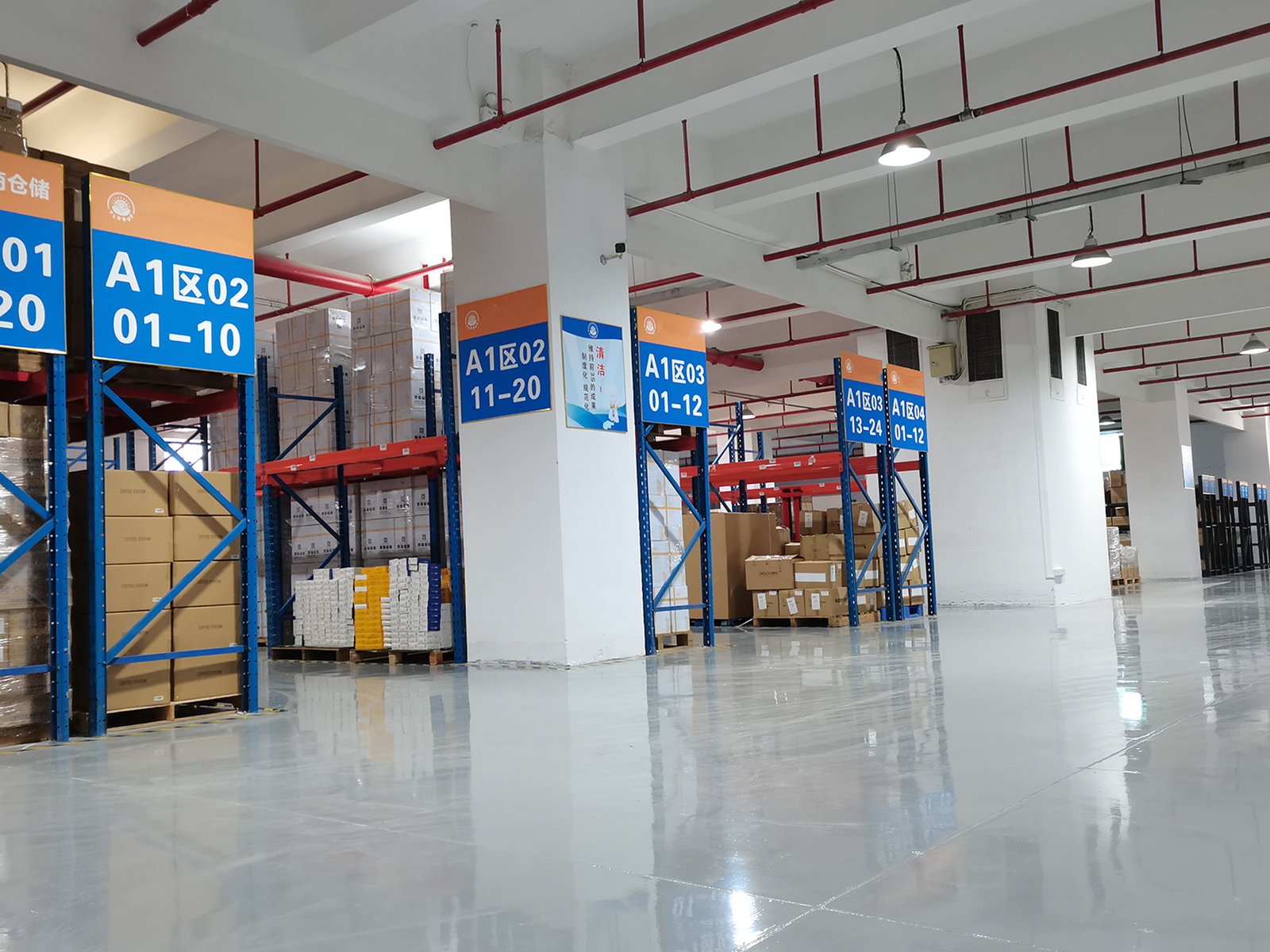
Many buyers prefer a China-based operator when they need faster coordination with factories, consolidation across suppliers, and clear execution accountability. With HUIXIN China 3PL, buyers can integrate receiving, labeling, and dispatch into one workflow—reducing communication overhead and improving predictability. If you want to evaluate fit, start with How Huixin Works and request a quote via Contact Us.
Best Use Cases for Small Parcel Shipping from China
Small parcel shipping is most effective when the shipment profile matches parcel networks and the buyer needs flexibility.
Amazon FBA replenishment and prep workflows
Small parcels can be practical for small replenishment cycles, urgent restocks, or split shipments. If you need labeling, carton content checks, or prep before shipping, a combined workflow improves accuracy. See Amazon FBA Prep.
Shopify and DTC order shipping
For direct-to-consumer orders, delivery reliability and tracking matter for customer experience. Special line routes often provide a stable cost-time balance for this use case.
Samples, trial orders, and spare parts
Procurement teams frequently use express channels for critical samples and spare parts, while special lines can support routine trial orders with better cost control.
Final Thoughts: Is Small Parcel Shipping from China Right for You?
If you need flexibility, frequent shipments, or fast market testing without committing to container-level logistics, small parcel shipping is usually the right choice. The best results come from aligning your product profile with the correct shipping channel, preparing compliant documents, and optimizing packaging to control chargeable weight.
[Conversion point] If you want a practical recommendation on the best shipping method for your destination and cargo type, contact HUIXIN China 3PL. Sharing your product category, carton size, destination ZIP code, and expected monthly volume will help you receive a quote that matches procurement decision-making.
FAQ
What information do I need to get a shipping quote?
Provide destination country and ZIP/postal code, product category (and whether it contains batteries/liquid/powder), carton dimensions, gross weight, carton quantity, and your preferred Incoterm (DAP or DDP). The more accurate your carton data, the more reliable the quote.
What is the cheapest way to ship small parcels from China?
Postal services are often cheaper for low-value shipments, but they may have longer transit times and weaker tracking. Many buyers choose special line routes for a stronger balance of cost, speed, and predictability.
Why did my shipping cost increase even though the parcel is light?
The carrier may be charging by dimensional weight. If the carton is large relative to its weight, the chargeable weight increases. Reducing carton size and empty space is one of the most effective cost-control actions.
Should I choose DAP or DDP for small parcel shipping?
If you prefer paying duties/taxes directly and controlling your import process, DAP can work well. If you want a simpler landed-cost structure and the channel supports it, a properly arranged DDP service can reduce surprises—just ensure duties/taxes are clearly defined in the quote.
Can a China-based 3PL help if I buy from multiple suppliers?
Yes. A China-based 3PL can receive goods from multiple factories, inspect and consolidate cartons, apply labels, and dispatch parcels via the best route. This reduces duplicated shipping fees and improves operational control. For multi-supplier shipping and tracking visibility, see Inventory Management and Warehousing & Storage.