Amazon FBA Air vs Sea Freight: Which Is Better for You?
For every Amazon FBA seller shipping from China, the same question comes up: should you choose air freight for speed or sea freight for savings? The answer depends on your product type, urgency, and inventory strategy. This guide breaks it down clearly — and shows how Huixin China 3PL helps you combine both for maximum efficiency.
Air vs Sea Freight Overview
Air freight is faster and more reliable for small, high-value, or urgent shipments — while sea freight is cheaper and ideal for large or stable shipments. Smart Amazon FBA sellers often use both methods to balance speed and cost.
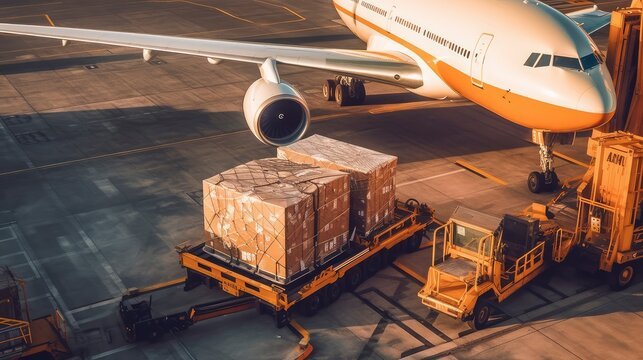 Air freight offers unmatched speed for Amazon FBA sellers needing urgent restocks.
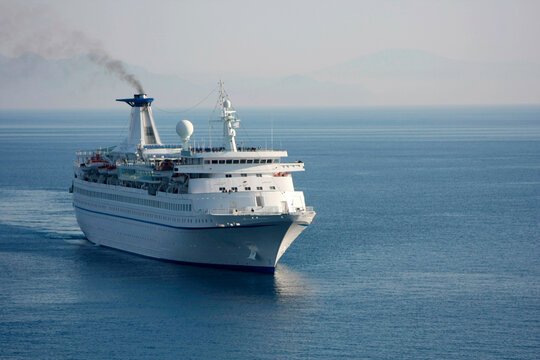 Sea freight remains the most cost-effective solution for large-volume FBA shipments.
Understanding Air Freight for FBA
Air freight is perfect when time matters most. With delivery times between 5–10 days, it keeps your best-selling products in stock and maintains your Amazon ranking. It’s also ideal for lightweight and high-value products like electronics, jewelry, and accessories.
Pros of Air Freight
- Fastest delivery (days instead of weeks).
- Higher security and real-time tracking.
- Lower damage risk compared to sea freight.
Cons of Air Freight
- More expensive, usually $5–$12 per kg.
- Limited cargo capacity during peak seasons.
- Volumetric weight affects pricing.
Understanding Sea Freight for FBA
Sea freight takes longer — typically 25–50 days — but drastically reduces cost per unit. It’s best for stable product lines, large volumes, or when you plan inventory months ahead. Choose between LCL (Less than Container Load) or FCL (Full Container Load) based on your shipment size.
Pros of Sea Freight
- Lowest shipping cost, often under $2 per kg.
- Ideal for heavy or bulky items.
- Economical for stable, long-term replenishment.
Cons of Sea Freight
- Longer transit and customs clearance times.
- Harder to track compared to air freight.
- Possible port delays and handling charges.
Cost & Transit Time Comparison
| Method |
Transit Time |
Average Cost (per kg) |
Best For |
| Express (DHL/UPS/FedEx) |
3–7 days |
$8–$15 |
Urgent small shipments |
| Air Freight |
5–10 days |
$5–$12 |
High-value or light goods |
| Sea Freight (LCL) |
30–50 days |
$1.5–$3 |
Small to medium volumes |
| Sea Freight (FCL) |
25–40 days |
$0.8–$1.5 |
Large bulk shipments |
How to Choose the Right Method for Your Business
Based on Product Type
Choose air freight for high-value, lightweight items; sea freight for bulky or low-margin products. For example, electronics go by air, while furniture goes by sea.
Based on Urgency
If your Amazon inventory is running low and you risk going out of stock, air freight saves your ranking. If you can plan ahead, sea freight cuts logistics cost by up to 70%.
Based on Cash Flow
Sellers with tight budgets can use sea freight for main shipments and keep a small buffer stock sent by air.
Hybrid Approach: Combining Air and Sea Freight
Smart Amazon sellers use both shipping methods together. Example: 10% of goods by air for immediate stock, 90% by sea for cost savings. Learn more about hybrid first-leg shipping.
How Huixin China 3PL Helps
At Huixin China 3PL, we help sellers manage both air and sea freight through integrated first-leg logistics, warehousing, and Amazon FBA prep. Our services include:
Amazon Official Reference
For more details about Amazon’s own logistics solutions, visit the official page:
Amazon Global Logistics — offering end-to-end ocean and air freight options for FBA sellers.
Conclusion
Choosing between air and sea freight depends on your speed, budget, and business goals. With Huixin China 3PL, you don’t need to choose — we help you combine both for optimal results.
Get a free consultation today to plan your next FBA shipment from China.