Introduction: The 2025 Transformation of Overseas Warehousing
As cross-border e-commerce continues to surge toward a projected $7.5 trillion in 2025, the role of overseas warehouses has evolved from simple storage points into critical strategic hubs. These facilities now determine customer experience, logistics speed, and operational resilience. Businesses leveraging data-driven and technology-enabled overseas warehouse models are achieving faster fulfillment, optimized inventory allocation, and reduced logistics costs across global markets.
Huixin China 3PL helps global sellers integrate intelligent warehousing, predictive analytics, and localized fulfillment solutions that align with shifting trade dynamics and consumer expectations.
1. Data-Driven Inventory Layout for Overseas Warehouses
Data is the new foundation of overseas warehouse optimization. By analyzing historical sales, regional trends, and customer behavior, brands can strategically allocate inventory across multiple regions to enhance responsiveness and minimize overstock risks.
Sales Data and Demand Forecasting
Intelligent inventory allocation relies on accurate forecasting. By leveraging sales data and seasonal analytics, businesses can identify high-demand products and distribute them to regional warehouses before demand spikes. A home furnishing brand, for example, pre-positioned best-selling SKUs across its East and West Coast facilities, improving order response time by 40% and reducing storage redundancy.
Optimized Warehouse Management Integration
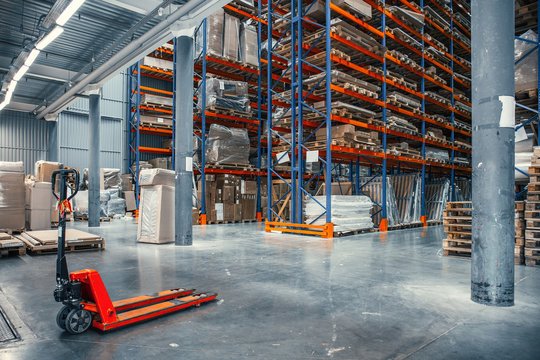
With Huixin Inventory Management and Warehousing Solutions, sellers can synchronize real-time data between global nodes. The system automatically recommends the best fulfillment warehouse based on customer location, stock levels, and delivery time—enhancing last-mile performance and ensuring shorter transit windows.
2. Customs Data: Unlocking Hidden Market Insights
Customs data is an often-overlooked asset in cross-border logistics. Beyond clearance, it provides insights into buyer frequency, import patterns, and local market trends. By analyzing customs records, businesses can identify high-demand product categories and adjust export strategies accordingly.
Trade Intelligence for Market Adaptation
One electronics exporter analyzed German customs data and found strong demand for “CE-certified Bluetooth headphones.” By adjusting its export model to meet this preference, the company increased sales by 200% within six months. Monitoring procurement price fluctuations also helps businesses anticipate market changes and dynamically modify overseas warehouse strategies.
3. Localization: Building a Better End-User Experience
The strength of an overseas warehouse lies not just in storage capacity but in localized service capabilities. Professional value-added services such as returns handling, repackaging, and localized labeling significantly improve end-user satisfaction and brand loyalty.
Returns and Quick Replacements
Localized returns centers can shorten the return cycle from weeks to days. A fashion brand utilizing Huixin’s European warehouse network implemented instant refund and quick replacement services, increasing customer repurchase rates by 25%.
Localized Packaging and Branding
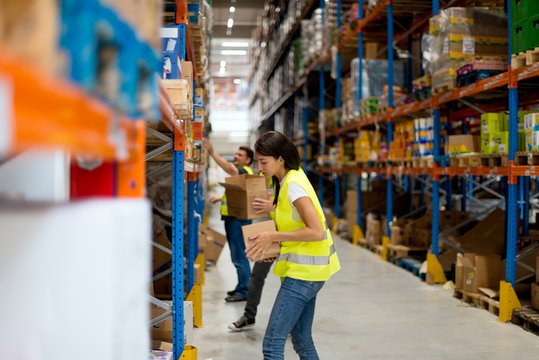
Through Huixin FBA Prep Services, sellers can apply region-specific packaging and labeling to align with local compliance and consumer preferences—enhancing both market acceptance and brand perception.
4. Technology Empowerment: Intelligent Warehouse Networks
Technology-driven logistics form the backbone of next-generation global supply chains. Efficient overseas warehouses integrate Warehouse Management Systems (WMS), Order Management Systems (OMS), and visibility tools that unify operations under a single digital framework.
Integrated Systems and Real-Time Visibility
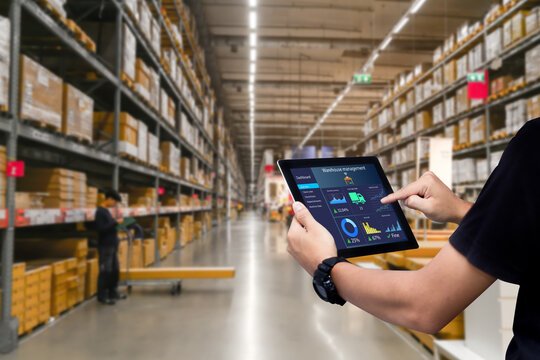
How Huixin Works demonstrates how a unified platform enables seamless data flow from order creation to fulfillment. Sellers can monitor every step of the process—inventory levels, carrier routing, and delivery progress—through a single dashboard with automatic alerts and predictive analytics.
Automation and Smart Optimization
AI-powered tools analyze shipment flow, replenishment cycles, and inventory turnover rates to recommend real-time adjustments. Automated systems optimize labor allocation, route planning, and replenishment scheduling—transforming warehouses from static storage points into agile fulfillment engines.
5. Future Outlook: From Standardization to Intelligence
The future of overseas warehousing lies in intelligence and automation. AI forecasting will guide predictive stocking, machine learning will continuously refine operational decisions, and connected warehouse networks will offer real-time global visibility. These innovations will redefine how sellers manage cross-border logistics and customer expectations.
The Strategic Role of 3PL Partnerships
Partnering with a one-stop 3PL provider like Huixin China 3PL ensures end-to-end operational integration—from warehousing and labeling to cross-border parcel lines. Huixin’s expertise in first-leg parcel shipping enables faster global connectivity while maintaining customs compliance and delivery reliability.
Conclusion: Turning Data into Global Efficiency
In 2025 and beyond, the most successful cross-border sellers will be those who transform logistics from a cost center into a data-powered growth driver. By integrating data analytics, technological intelligence, and localized operations, businesses can achieve a more agile, transparent, and customer-centric global fulfillment model. Huixin China 3PL empowers global sellers to lead this transformation—delivering smarter, faster, and more resilient logistics across every market.