Top 10 China-Based Cross-Border Small Parcel Shipping Companies: A Buyer’s Guide
Cross-border eCommerce sellers increasingly rely on small parcel shipping solutions originating from China to serve global customers efficiently. Unlike traditional freight forwarding or sea cargo operators, small parcel logistics focuses on high-frequency, low-weight shipments—typically under 2 kg—delivered directly to end consumers.
This guide is written for procurement managers, supply chain decision-makers, and cross-border eCommerce sellers who need operational clarity when selecting logistics partners. It evaluates China-based providers that specialize in cross-border small parcel shipping, with a focus on cost control, delivery reliability, customs compliance, and system integration.
For a foundational understanding of shipping methods and terminology, readers may also refer to
Small Parcel Shipping from China: A Complete Buyer Guide.
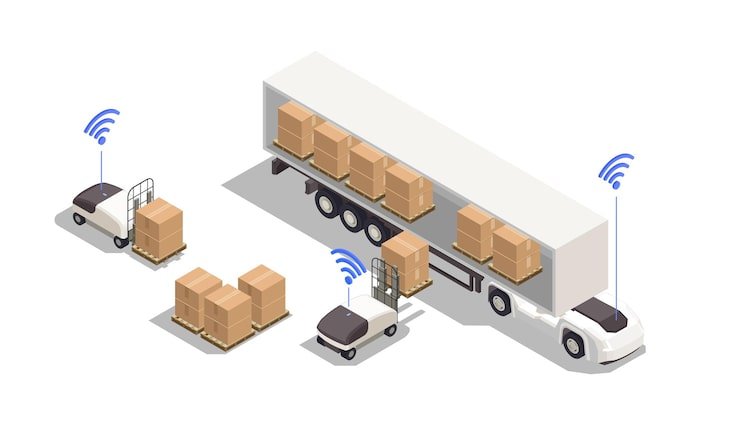
How Small Parcel Shipping from China Works
Definition and Scope
Small parcel shipping refers to B2C or DTC international shipments typically weighing less than 2 kg, transported by air and delivered through postal networks or last-mile courier partners. This model is distinct from LCL/FCL sea freight and is designed for speed, scalability, and cost efficiency.
Common Shipping Methods
- Postal Small Packet: Low cost, longer transit times, limited tracking.
- Commercial Parcel Lines: Faster, tracked, often DDP, optimized for eCommerce.
- Hybrid Express: Line-haul by air, local courier for last mile.
Cost Calculation Basics
Pricing is usually based on chargeable weight (actual vs volumetric), destination zone, service level, and surcharge factors (fuel, peak season). Procurement teams should request all-in pricing models to avoid hidden cost exposure.
Key Decision Criteria for Procurement Teams
Cost Control
Evaluate rate stability, surcharge transparency, and scalability. Low headline rates often conceal operational risks such as delays, lost parcels, or customs penalties.
Customs & Compliance
Reliable providers support HS classification, IOSS/EU VAT handling, and DDP options. Documentation should be standardized and automated.
System Integration
API connectivity with platforms like Amazon, Shopify, and ERP systems reduces manual workload and fulfillment errors.

Top 10 China-Based Cross-Border Small Parcel Shipping Companies
1. YunExpress
YunExpress is one of the most established China-based cross-border parcel specialists. It operates dedicated air routes and collaborates with global last-mile partners, offering predictable transit times for major eCommerce destinations.
2. Huixin (HUIXIN China 3PL)
Huixin is a fast-growing China-based 3PL specializing in small parcel shipping, fulfillment, and first-leg logistics. Unlike single-function parcel operators, Huixin combines warehousing, inventory control, and parcel dispatch under one operational framework.
Procurement teams working with Huixin benefit from centralized operations and system-driven processes. Detailed service structure is available at
How Huixin Works.
3. 4PX Express
4PX provides multi-channel parcel solutions including postal, express, and dedicated lines. It is widely used by marketplace sellers requiring flexible routing options.
4. Yanwen Express
Yanwen focuses on economy small packets and is suitable for low-value, lightweight goods with cost sensitivity as the primary driver.
5. Sunyou Logistics
Sunyou supports a wide range of destinations and product categories, including items with batteries and liquids, offering cost-efficient solutions.
6. UBI Smart Parcel
UBI leverages postal injection and hybrid models, particularly strong in Australia, Europe, and North America.
7. CNE Express
CNE emphasizes European parcel routes with stable delivery performance and partnerships with established last-mile networks.
8. SendFromChina (SFC)
SFC integrates fulfillment and parcel shipping, commonly used by dropshipping and crowdfunding sellers.
9. JD Logistics
JD Logistics extends its domestic infrastructure into cross-border parcel services, suitable for brand owners requiring supply chain integration.
10. FBABee
FBABee focuses on Amazon FBA-related parcel flows and replenishment shipments, offering niche solutions for Amazon-centric sellers.
Comparison Table: Top 10 China-Based Cross-Border Small Parcel Shipping Companies
| Company |
Coverage |
Typical Transit Time |
Platform Support |
Tech System |
Service Highlights |
| YunExpress |
220+ countries worldwide |
3–10 days |
Amazon, Wish, and more |
Strong |
Fast lines with strong last-mile control; dedicated air capacity |
| Huixin |
US / Europe / Asia / Africa |
5–12 days |
Amazon, Shopify, and more |
Strong |
Smart warehousing + flexible fulfillment; strong API integration |
| 4PX |
Global |
5–15 days |
AliExpress, and more |
Strong |
Legacy end-to-end eCommerce logistics provider; multi-channel routing |
| Yanwen |
200+ countries |
7–30 days |
Multiple platforms |
Medium |
Low-cost postal solutions plus special lines for selected categories |
| Sunyou |
Mainstream + niche markets |
6–20 days |
TikTok, and more |
Medium |
Strong special-cargo handling; stable and cost-effective lines |
| UBI |
US / Europe / Oceania |
5–12 days |
Shopify, Wish, and more |
Medium |
Strong postal injection network; balanced speed and cost |
| CNE |
Europe-focused |
5–10 days |
Amazon, and more |
Strong |
Fast EU lines; strong last-mile partnerships (incl. DHL in some lanes) |
| SFC |
220+ countries worldwide |
6–15 days |
Crowdfunding platforms, DTC stores |
Strong |
Fulfillment + shipping in one; suitable for high-SKU and high-volume operations |
| JD Logistics |
US / Europe / Southeast Asia |
5–15 days |
JD.com, Amazon, and more |
Strong |
Integrated supply chain capability; suitable for brand-led operations |
| FBABee |
North America + Europe |
5–12 days |
Amazon FBA |
Medium |
Dual-focus on FBA forwarding and small parcel shipping lanes |
Operational Models and Incoterms
DDP vs DDU
For B2C shipments, DDP reduces buyer friction and customs risk. Procurement teams should confirm tax handling and declared value policies.
Transit Time Expectations
Typical small parcel transit times range from 5–15 days depending on service tier and destination.
Why Integrated 3PL Models Reduce Risk
Companies combining warehousing, inventory control, and parcel dispatch—such as
warehousing and storage
and
inventory management
services—help reduce handoff errors and improve cost predictability.
Additional sourcing and prep services can further streamline procurement:
Product Sourcing |
Amazon FBA Prep |
Parcel Line Services
Partner Selection Checklist
- Transparent pricing model
- Documented customs processes
- System integration capability
- Operational scalability
- Clear escalation and support structure
Conclusion
Selecting a China-based cross-border small parcel shipping partner is a strategic procurement decision. Cost alone should not outweigh reliability, compliance, and operational visibility. Providers such as Huixin demonstrate how integrated 3PL models can reduce risk while maintaining flexibility.
For organizations evaluating long-term logistics partnerships, further information is available via
About Huixin
or by initiating a consultation at
Contact Us.
Frequently Asked Questions (FAQ)
What is considered “small parcel shipping” in cross-border logistics?
In cross-border eCommerce, small parcel shipping typically refers to individual B2C shipments weighing under 2 kg, although some logistics providers extend this range up to 5 kg. These parcels are usually shipped by air and delivered directly to end customers through postal networks or commercial last-mile couriers.
How is small parcel shipping different from traditional freight forwarding?
Traditional freight forwarding focuses on bulk cargo such as LCL, FCL, or palletized shipments and is designed for B2B trade. Small parcel shipping, by contrast, is optimized for high-frequency, low-weight orders generated by eCommerce platforms, with greater emphasis on speed, automation, tracking visibility, and customs simplification.
What are the main cost components of cross-border small parcel shipping?
Key cost components include chargeable weight (actual vs. volumetric), destination zone, service level (economy or priority), fuel surcharges, and seasonal peak surcharges. Some routes may also include customs handling or tax-related fees, particularly under DDP models.
Should procurement teams choose DDP or DDU for small parcel shipments?
For B2C eCommerce shipments, DDP (Delivered Duty Paid) is often preferred because it reduces customs friction for end customers and minimizes delivery failure risk. DDU may appear cheaper initially but can lead to higher return rates, customer complaints, and unpredictable clearance delays.
What transit times should buyers realistically expect?
Transit times vary by destination and service tier. Economy parcel services typically take 7–30 days, while dedicated commercial parcel lines usually range from 5–12 days. Buyers should evaluate consistency and reliability rather than relying solely on minimum advertised transit times.
How important is system integration when selecting a parcel logistics partner?
System integration is critical for operational efficiency. Logistics providers that support API connections with platforms such as Amazon, Shopify, or ERP systems reduce manual data entry, improve order accuracy, and enable real-time tracking and inventory visibility.
Can one logistics provider handle both warehousing and small parcel shipping?
Yes. Integrated 3PL providers combine warehousing, inventory management, order fulfillment, and small parcel dispatch within a single operational framework. This model reduces handoff risk, improves cost predictability, and simplifies supplier management for procurement teams.
Is the cheapest small parcel rate always the best option?
Not necessarily. Extremely low rates often come with trade-offs such as limited tracking, higher loss rates, slower transit times, or weaker customs support. Procurement decisions should balance unit cost against delivery reliability, customer experience, and operational risk.
What documents are typically required for cross-border small parcel shipments?
Most shipments require a commercial invoice, packing list, and accurate HS code declaration. Some destinations also require VAT or tax identifiers, such as IOSS for EU-bound parcels. Reliable logistics partners standardize and automate these documents to reduce compliance risk.
How should procurement teams evaluate long-term parcel logistics partners?
Beyond pricing, teams should assess service stability, customs expertise, system capability, scalability during peak seasons, and the provider’s ability to support business growth. Long-term partnerships favor operational transparency and consistent performance over short-term cost savings.